AI is moving at breakneck speed, and public confidence is still catching up.
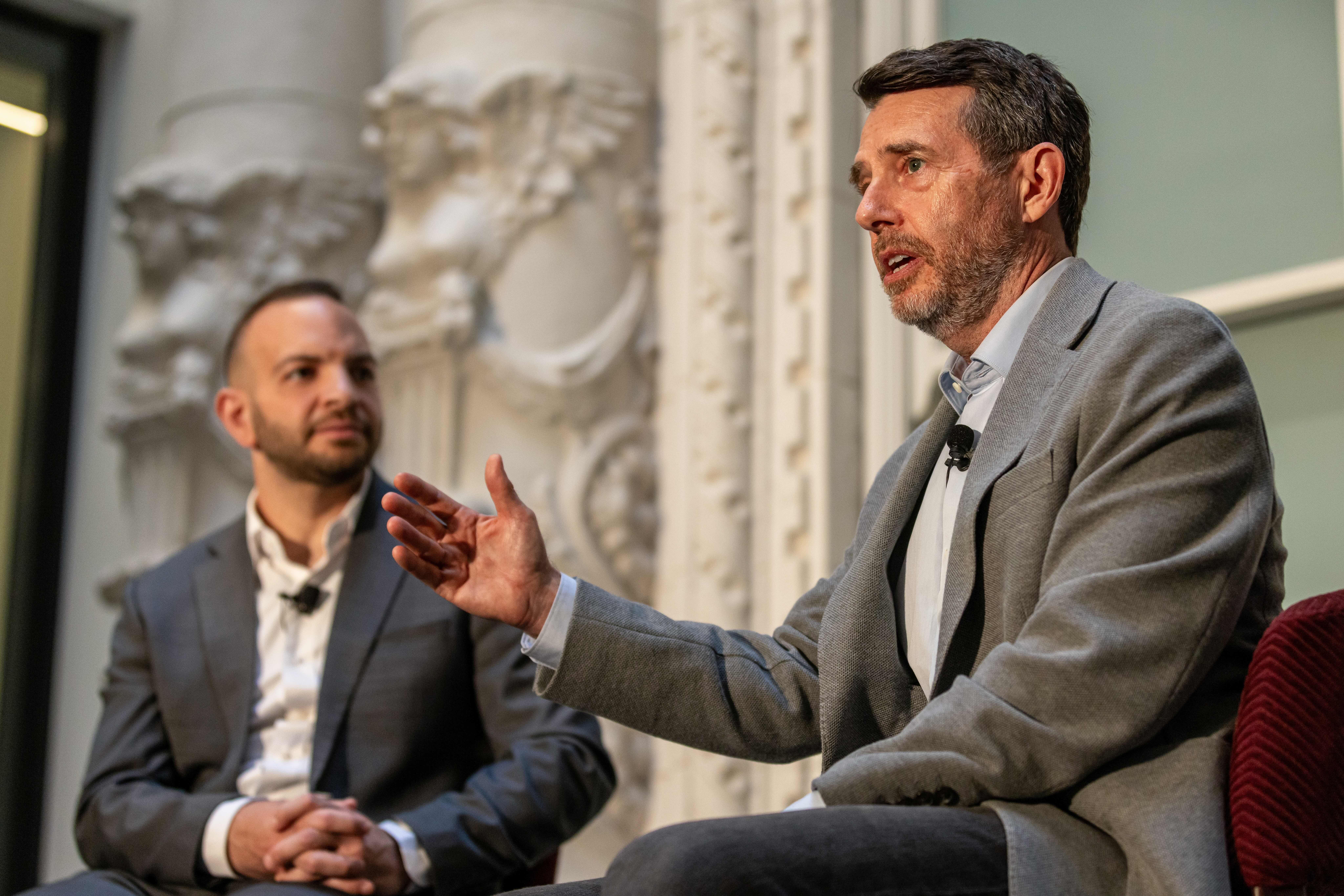
That tension was at the center of a panel we hosted recently in San Francisco, where Big Technology’s Alex Kantrowitz and Orchestra partner David Plouffe discussed AI, power and the future of democracy.
The conversation made clear that for anyone leading, regulating or communicating around AI, trust will determine what comes next. People want to understand how this technology will affect their jobs, their communities and their children’s futures, and they want to feel they have some voice in how those changes unfold. Organizations will need to meet those concerns with candor and specificity to build credibility in the years ahead.
That challenge became the focus of the evening: how do people begin to trust a future they feel they have little control over?
You can watch the full conversation here. Below, we’ve pulled together a few key takeaways.
People are starting from a place of low trust
Alex set up the discussion with polling that shows deep public skepticism around AI. Many people are more likely to see the technology as a negative force than a positive one, with data centers, energy costs, job security and child safety all becoming sources of concern.
David pointed out that AI is landing in a country already carrying a lot of anxiety. People are worried about their own economic stability, and their trust in institutions and leaders is historically low. Against this backdrop, he explained, “people feel that this is just happening to them.”
That sense of powerlessness influences how every message lands. When people hear sweeping promises about AI’s potential, many also hear something more personal: change arriving quickly, driven by institutions they are wary of, on terms they do not feel they can influence.
The questions are real
Communicators know what to do at this moment: meet people where they are today. “Sometimes I think you have to lean into the thing people are most concerned about,” David said.
That starts with naming the concerns directly. What happens to jobs? What happens to kids? Who benefits? Who pays? Who is accountable if something goes wrong? Those concerns deserve direct answers from the people building, funding, regulating and deploying these tools.
When asked how political leaders should talk about AI, David’s advice was simple: “people running for office should say what they believe.” The same standard applies more broadly. Organizations will build more trust when they are clear about where they see promise, where they see risk and what they are doing about both.
From there, leaders have to make the story concrete. David explained that we need more storytelling about how AI can support valuable work, like helping small businesses grow, improving healthcare and expanding productivity. The strongest examples give people something specific to understand and connect to their own lives.
Data centers have become a physical symbol of a bigger debate
That’s especially true when it comes to data centers, which have become a focus of anxiety because they give people something tangible to react to. AI can sometimes feel abstract; a massive data center proposed near your home does not.
The discussion came against the backdrop of headlines from Maine, where a proposed statewide pause on large data centers brought a national infrastructure debate down to a local question: if a data center comes here, what does the community take on, and what does it get back?
David’s point was that data centers will inevitably be built somewhere, so the case has to be clearer and more honest for the people being asked to live with them. That means explaining the impact on energy costs and property taxes, and showing how local benefits could flow into schools, public safety and other priorities.
“I think part of it is to understand—and this is true not just in the tech and AI industry—that a lot of the best messaging is not hero messaging,” David said. “The best messaging is just meeting people where they are.”
For AI infrastructure, trust will be built one community at a time. People need clear details they can weigh for themselves, and they need to know who will be accountable if the promises do not match reality.
Optimism starts with agency
The conversation ended on a hopeful note: young people. David talked about drawing energy from the next generation’s willingness to build, serve and step into hard problems. Alex pointed to kids already using AI tools to code and create.
That hopeful signal sits alongside real risks and reminds us that people can be active participants in technological change. When they use these tools and see value in their own lives, their perspective can shift. The opportunity is to make that sense of agency more widely available.
The lesson from the evening was clear: the organizations and leaders that communicate best about AI will listen carefully, speak plainly, acknowledge trade-offs, say what they believe and tell concrete stories about how this technology can help people in daily life. The success of that work will help define AI’s next chapter.
You can watch the full conversation with Alex Kantrowitz and David Plouffe here.